

Why Heat Damages Hair (And How to Prevent It)
Blow dryers, flat irons, and curling wands are essential styling tools—but they come with a cost. Temperatures above 300°F begin breaking down the hydrogen bonds in your hair, leading to dryness, brittleness, and split ends. The good news? With the right techniques and products, you can achieve salon-quality styles without sacrificing hair health.
Understanding Heat Damage
Your hair's outer layer—the cuticle—acts as a protective shield. When exposed to high heat without protection, this layer lifts and cracks, allowing moisture to escape. Signs of heat damage include:
- Dry, straw-like texture
- Increased frizz and flyaways
- Split ends and breakage
- Dull, lifeless appearance
- Hair that won't hold styles
The Science of Heat Protection
Heat protectant products work by forming a thin, invisible barrier around each strand. This barrier does three things:
- Distributes heat evenly – Prevents hot spots that cause localized damage
- Locks in moisture – Keeps water molecules from evaporating too quickly
- Reduces friction – Allows styling tools to glide smoothly, reducing mechanical stress
Look for heat protectants that shield up to 450°F—the maximum temperature of most professional flat irons.
How to Use Heat Styling Tools Safely
1. Start with the Right Temperature
Not all hair types need maximum heat:
- Fine or damaged hair: 250°F – 300°F
- Normal hair: 300°F – 380°F
- Thick or coarse hair: 380°F – 450°F
Start lower and only increase if needed. Your hair should respond to one or two passes—if you're going over the same section repeatedly, the issue isn't temperature, it's technique or product buildup.
2. Never Skip Heat Protectant
Apply heat protection to damp hair before blow-drying, or to dry hair before flat ironing. Focus on mid-lengths and ends where damage accumulates most. A quality heat protectant spray creates an invisible shield without weighing hair down or leaving residue.
3. Section Your Hair
Working in small sections (1-2 inches wide) means each strand gets proper heat exposure. This actually reduces overall heat damage because you won't need to go over the same area multiple times.
4. Keep Tools Moving
Never let a hot tool sit in one spot. Continuous movement prevents heat concentration that causes burns and breakage.
5. Let Hair Cool Before Touching
Hair is most vulnerable when hot. After styling a section, let it cool completely before brushing or touching. This allows the cuticle to seal and the style to set.
Special Considerations for Treated Hair
Keratin-Treated & Brazilian Blowout Hair
Chemically straightened hair requires extra care. The treatment process already exposes hair to high heat, so ongoing heat styling compounds the stress. Use products specifically formulated for straightened hair—they provide moisture without disrupting the treatment or adding unwanted volume.
Color-Treated Hair
Heat accelerates color fading by opening the cuticle and allowing pigment molecules to escape. Always use a heat protectant with color-preserving properties, and keep temperatures on the lower end of your hair type's range.
Blonde & Highlighted Hair
Bleached hair is structurally weaker and more porous. It absorbs heat faster, meaning it needs lower temperatures and extra conditioning. Look for heat protectants with hydrating ingredients like hyaluronic acid that can penetrate and strengthen the hair shaft.
Building a Heat-Safe Styling Routine
Before Styling
- Wash with a moisturizing, sulfate-free shampoo
- Apply a hydrating conditioner or mask
- Towel-dry gently (don't rub)
- Apply leave-in conditioner for base protection
- Spray heat protectant evenly throughout hair
During Styling
- Blow-dry on medium heat until 80% dry
- Section hair with clips
- Apply additional heat protectant if using a flat iron or curling iron
- Style in small sections with continuous movement
- Allow each section to cool before moving on
After Styling
- Apply a light serum for shine and frizz control
- Avoid touching hair excessively
- Use silk or satin pillowcases to reduce friction overnight
How Often Is Too Often?
Even with perfect technique and products, daily heat styling takes a toll. Aim for no more than 3-4 heat styling sessions per week. On off days, embrace air-dried styles, braids, or low-manipulation looks. Your hair will thank you with better texture, more shine, and less breakage over time.
Signs You Need to Take a Heat Break
If you notice any of these, consider a 2-week heat hiatus:
- Hair feels gummy or stretchy when wet
- Ends are visibly frayed or white
- Hair won't hold a curl or style
- Increased shedding during brushing
- Persistent dryness despite conditioning
During your break, focus on deep conditioning treatments and protein masks to rebuild strength.
The Bottom Line
Heat styling doesn't have to mean heat damage. With the right temperature settings, proper technique, and professional-grade heat protection, you can achieve the sleek, polished looks you love while maintaining healthy, strong hair. The key is consistency—protect every time, use appropriate temperatures, and give your hair regular breaks to recover.
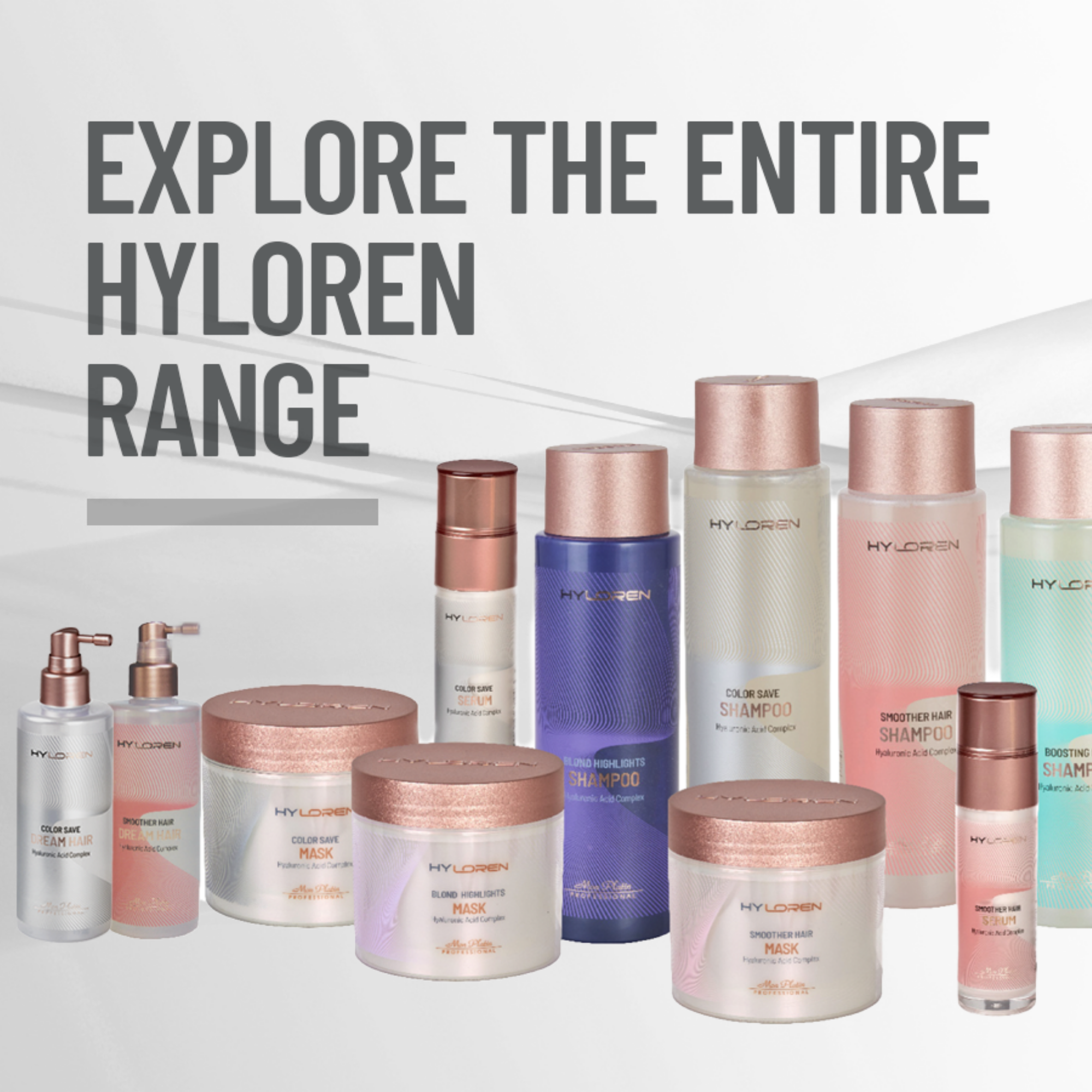
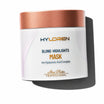
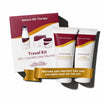
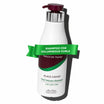
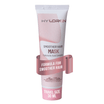
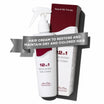
Ready to upgrade your heat protection routine? Explore our HYLOREN heat protection collection formulated with hyaluronic acid for moisture that lasts through every styling session.

Leave a comment
All comments are moderated before being published.
This site is protected by hCaptcha and the hCaptcha Privacy Policy and Terms of Service apply.